
 Husain Parvez
The Short Answer
To use a proxy, obtain the host, port, username, and password from a trusted provider; enter them in the browser, operating system, app, or script; then confirm the new public IP on a test page. Choose the proxy type and location before generating credentials, use sticky sessions for logins, and never send sensitive data through an unknown free endpoint.
About our Methodology and Testing
We evaluated IP origin, detection resistance, response consistency, location controls, rotation and sticky-session behavior, supported protocols, authentication, documentation, and pricing structure. Providers lost points for unclear limits, weak setup guidance, narrow location inventory, or pricing that only becomes visible after sales contact.
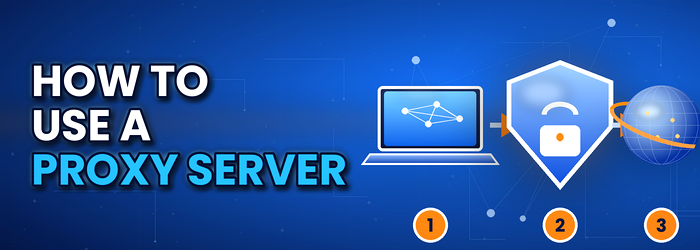
To use a proxy, obtain the host, port, username, and password from a trusted provider; enter them in the browser, operating system, app, or script; then confirm the new public IP on a test page. Choose the proxy type and location before generating credentials, use sticky sessions for logins, and never send sensitive data through an unknown free endpoint.
This guide explains the practical differences and recommends six providers for the job. Read more…
How to Use a Proxy Server: Editor’s Choice
How to Use a Proxy Server: Head-to-Head
| Aspect | First option | Second option |
|---|---|---|
| Host / gateway | The proxy server address | Required |
| Port | The service entry point, such as 8000 | Required |
| Username | Account, location, and session parameters | Usually required |
| Password | Credential used to authenticate | Usually required |
| Protocol | HTTP, HTTPS, or SOCKS5 | Must match the app |
| Session | Rotating or sticky IP behavior | Chosen in credentials |
How to Use a Proxy Server: Top Picks
|
|
|
| |
| Provider | Webshare | Oxylabs | Decodo | Bright Data |
| Best for | Beginners And Cost-Controlled Mixed Workloads | Large Teams That Need Every Major Proxy Type | Value-Focused Users Who Want Four Proxy Types | Complex Data-Collection Workflows And Precise Targeting |
| Proxy offering | 80M rotating residential IPs, datacenter and static ISP plans, HTTP/SOCKS5 support, and a self-service dashboard | 100M+ residential IPs, 20M+ mobile IPs, 2M+ self-service dedicated datacenter IPs, ISP proxies, and granular geo targeting | 115M+ residential, 10M+ mobile, 500K+ datacenter, and static ISP proxies across a broad global footprint | residential, mobile, ISP, and shared or dedicated datacenter networks with detailed targeting and session controls |
| Link | Try Now | Try Now | Try Now | Try Now |
1) Webshare

Best for Beginners And Cost-Controlled Mixed Workloads
Webshare is designed for beginners and cost-controlled mixed workloads. Its current offering includes 80M rotating residential IPs, datacenter and static ISP plans, HTTP/SOCKS5 support, and a self-service dashboard.
The practical advantage is that teams can match the network identity and session behavior to the target instead of forcing every request through one pool. Confirm the selected country’s inventory and current checkout rate before scaling.
Why Webshare?
Webshare’s 80M rotating residential IPs, datacenter and static ISP plans, HTTP/SOCKS5 support, and a self-service dashboard make it a strong choice for beginners and cost-controlled mixed workloads.
What We Like
- ✓Free datacenter plan for a low-risk setup test
- ✓Residential, datacenter, and static ISP products in one dashboard
- ✓Simple proxy lists, API access, and password or IP authentication
What We Don’t Like
- ✗No dedicated mobile proxy product
- ✗Advanced residential targeting costs more than entry plans
Product Details
| Best for | Beginners And Cost-Controlled Mixed Workloads |
| Offering | 80M rotating residential IPs, datacenter and static ISP plans, HTTP/SOCKS5 support, and a self-service dashboard |
| Protocols | HTTP(S) and SOCKS5 on supported plans |
2) Oxylabs

Best for Large Teams That Need Every Major Proxy Type
Oxylabs is designed for large teams that need every major proxy type. Its current offering includes 100M+ residential IPs, 20M+ mobile IPs, 2M+ self-service dedicated datacenter IPs, ISP proxies, and granular geo targeting.
The practical advantage is that teams can match the network identity and session behavior to the target instead of forcing every request through one pool. Confirm the selected country’s inventory and current checkout rate before scaling.
Why Oxylabs?
Oxylabs’s 100M+ residential IPs, 20M+ mobile IPs, 2M+ self-service dedicated datacenter IPs, ISP proxies, and granular geo targeting make it a strong choice for large teams that need every major proxy type.
What We Like
- ✓Broad residential, mobile, ISP, and datacenter coverage
- ✓City, ZIP, coordinate, and ASN targeting on supported products
- ✓HTTP, HTTPS, and SOCKS5 support across the main self-service networks
What We Don’t Like
- ✗Premium pricing can be excessive for small experiments
- ✗Some enterprise features require sales contact
Product Details
| Best for | Large Teams That Need Every Major Proxy Type |
| Offering | 100M+ residential IPs, 20M+ mobile IPs, 2M+ self-service dedicated datacenter IPs, ISP proxies, and granular geo targeting |
| Protocols | HTTP(S) and SOCKS5 on supported plans |
3) Decodo

Best for Value-Focused Users Who Want Four Proxy Types
Decodo is designed for value-focused users who want four proxy types. Its current offering includes 115M+ residential, 10M+ mobile, 500K+ datacenter, and static ISP proxies across a broad global footprint.
The practical advantage is that teams can match the network identity and session behavior to the target instead of forcing every request through one pool. Confirm the selected country’s inventory and current checkout rate before scaling.
Why Decodo?
Decodo’s 115M+ residential, 10M+ mobile, 500K+ datacenter, and static ISP proxies across a broad global footprint make it a strong choice for value-focused users who want four proxy types.
What We Like
- ✓All four core proxy types with self-service purchasing
- ✓Rotating, sticky, and permanent-session options by product
- ✓Clear country and city targeting with API-ready credentials
What We Don’t Like
- ✗Traffic and per-IP billing vary between products
- ✗The cheapest advertised rates require larger commitments
Product Details
| Best for | Value-Focused Users Who Want Four Proxy Types |
| Offering | 115M+ residential, 10M+ mobile, 500K+ datacenter, and static ISP proxies across a broad global footprint |
| Protocols | HTTP(S) and SOCKS5 on supported plans |
4) Bright Data

Best for Complex Data-Collection Workflows And Precise Targeting
Bright Data is designed for complex data-collection workflows and precise targeting. Its current offering includes residential, mobile, ISP, and shared or dedicated datacenter networks with detailed targeting and session controls.
The practical advantage is that teams can match the network identity and session behavior to the target instead of forcing every request through one pool. Confirm the selected country’s inventory and current checkout rate before scaling.
Why Bright Data?
Bright Data’s residential, mobile, ISP, and shared or dedicated datacenter networks with detailed targeting and session controls make it a strong choice for complex data-collection workflows and precise targeting.
What We Like
- ✓Four mature proxy networks under one account
- ✓Fine-grained geo and session controls
- ✓Strong documentation and an open-source Proxy Manager
What We Don’t Like
- ✗Dashboard and pricing options take time to learn
- ✗Better suited to serious workloads than casual browsing
Product Details
| Best for | Complex Data-Collection Workflows And Precise Targeting |
| Offering | residential, mobile, ISP, and shared or dedicated datacenter networks with detailed targeting and session controls |
| Protocols | HTTP(S) and SOCKS5 on supported plans |
5) NodeMaven

Best for Clean Residential And Mobile Sessions
NodeMaven is designed for clean residential and mobile sessions. Its current offering includes 30M+ residential IPs, 250K+ mobile IPs, dedicated ISP proxies, sticky sessions up to seven days, and an IP quality filter.
The practical advantage is that teams can match the network identity and session behavior to the target instead of forcing every request through one pool. Confirm the selected country’s inventory and current checkout rate before scaling.
Why NodeMaven?
NodeMaven’s 30M+ residential IPs, 250K+ mobile IPs, dedicated ISP proxies, sticky sessions up to seven days, and an IP quality filter make it a strong choice for clean residential and mobile sessions.
What We Like
- ✓Residential and mobile traffic can use quality filtering
- ✓Long sticky sessions support account and workflow continuity
- ✓ISP proxies offer dedicated IPs and unlimited traffic
What We Don’t Like
- ✗No conventional datacenter proxy line
- ✗ISP product has fewer countries and is still comparatively new
Product Details
| Best for | Clean Residential And Mobile Sessions |
| Offering | 30M+ residential IPs, 250K+ mobile IPs, dedicated ISP proxies, sticky sessions up to seven days, and an IP quality filter |
| Protocols | HTTP(S) and SOCKS5 on supported plans |
6) FloppyData

Best for Small Teams Wanting Straightforward Multi-Type Plans
FloppyData is designed for small teams wanting straightforward multi-type plans. Its current offering includes residential, mobile, ISP, and datacenter proxies in 195+ locations with HTTP, HTTPS, and SOCKS5 support.
The practical advantage is that teams can match the network identity and session behavior to the target instead of forcing every request through one pool. Confirm the selected country’s inventory and current checkout rate before scaling.
Why FloppyData?
FloppyData’s residential, mobile, ISP, and datacenter proxies in 195+ locations with HTTP, HTTPS, and SOCKS5 support make it a strong choice for small teams wanting straightforward multi-type plans.
What We Like
- ✓Complete lineup across the four main proxy categories
- ✓Rotating and sticky sessions with city targeting
- ✓Simple dashboard and standard proxy authentication
What We Don’t Like
- ✗Published pool-size figures vary between product pages
- ✗Fewer enterprise governance controls than top-tier providers
Product Details
| Best for | Small Teams Wanting Straightforward Multi-Type Plans |
| Offering | residential, mobile, ISP, and datacenter proxies in 195+ locations with HTTP, HTTPS, and SOCKS5 support |
| Protocols | HTTP(S) and SOCKS5 on supported plans |
What information do I need to connect to a proxy?
You need the proxy hostname or IP, port, supported protocol, and an authentication method. Paid services normally use a username and password or require you to whitelist the public IP of the connecting device.
How do I set up a proxy in a web browser?
Open the browser’s network or system proxy settings, choose HTTP/HTTPS or SOCKS, and enter the provider’s host and port. Save the settings, supply credentials when prompted, and verify the exit IP before browsing.
How do I configure a proxy on Windows or macOS?
Windows and macOS both provide system proxy panels in network settings. Enter the server and port for the required protocol, enable authentication if available, and remember that not every app obeys the system-level configuration.
How do I use a proxy in a script?
Pass the proxy URL to the HTTP client or automation framework, preferably through a protected environment variable or secret store. Set connection and request timeouts, retry cautiously, and rotate sessions only as fast as the target and provider permit.
How can I confirm that the proxy works?
Visit an IP-check endpoint or request it from the script and compare the reported address and country with the selected proxy location. Also test DNS behavior, HTTPS pages, and the actual target because a reachable proxy can still be blocked there.
Which proxy provider is easiest to set up?
Webshare offers a straightforward dashboard, downloadable lists, and a free datacenter plan, while Oxylabs, Decodo, Bright Data, NodeMaven, and FloppyData provide guided endpoint generators. Use our free proxy server guide for low-risk trials.
Verdict
A reliable setup uses a reputable provider, the correct protocol, protected credentials, and a verification step. Webshare is the simplest first choice, while Oxylabs, Decodo, Bright Data, NodeMaven, and FloppyData are suitable when you need larger pools, mobile access, or more precise targeting.
Frequently Asked Questions
Check your public IP before and after enabling the proxy. The address should change to the selected endpoint, and the target page should load without exposing the original IP.
Repeated prompts usually indicate incorrect credentials, an unsupported authentication format, an expired plan, or an IP-whitelist mismatch. Regenerate the endpoint and copy the values without spaces before contacting support.
Yes, iOS and Android support proxies for individual Wi-Fi networks, and some apps accept their own HTTP or SOCKS settings. Cellular-wide routing may require a dedicated app or VPN-style profile.
Use HTTP/HTTPS for browsers and web APIs when the client supports it directly. Use SOCKS5 for broader application compatibility or non-HTTP TCP traffic; choose whichever protocol the provider and app both support.
Yes, but combining them adds latency and makes troubleshooting harder. Use both only when the routing order and threat model are clear, because a proxy alone is not a replacement for VPN encryption.
It is safe when the browser is trusted and the proxy provider is reputable. Avoid saving shared credentials on public devices, and do not use unknown free proxies for banking, email, or other sensitive accounts.